Seasonal Evaluation Data Directing Certification Renewal Processes in Multi-Sport Community Centers
Written by Henrik Meier · Oct 3, 2026
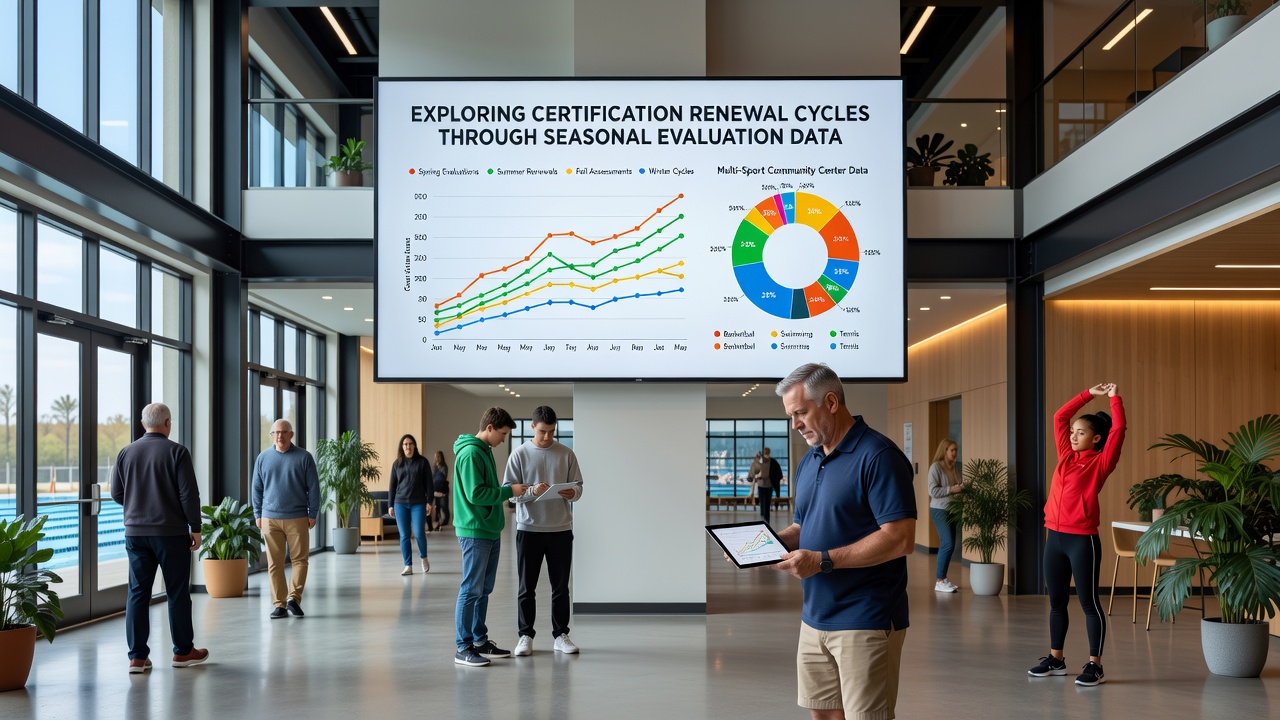
Seasonal Evaluation Data Directing Certification Renewal Processes in Multi-Sport Community Centers
Multi-sport community centers track certification renewal cycles by compiling seasonal evaluation data that captures wear patterns across fields, courts, pools, and equipment storage areas, and observers note how spring thaw inspections often reveal drainage issues that influence equipment certification timelines while summer heat assessments highlight surface degradation in high-traffic zones.
Data from these evaluations feeds directly into renewal schedules because facilities must align recertification dates with documented performance metrics rather than fixed calendar intervals, and researchers have observed that centers using this approach reduce unexpected downtime by integrating findings from fall leaf-related slip hazards and winter freeze-thaw cycles that stress structural components.
Patterns Emerging from Quarterly Assessments
Quarterly reports compiled at centers in varied climates show that certification periods for items like goalposts, climbing walls, and aquatic barriers shift based on seasonal stress indicators, while data collected during October 2026 evaluations is expected to highlight cumulative effects from the prior year's extreme weather events that accelerate material fatigue in both indoor gyms and outdoor tracks.
Those who analyze these records find that spring evaluations frequently flag moisture retention problems that shorten certification windows for wooden decking and synthetic turf, whereas autumn assessments tend to focus on lighting systems and emergency egress routes that require verification before reduced daylight periods begin.
Integration of Evaluation Outputs with Renewal Protocols
Community center operators merge evaluation outputs with renewal protocols by cross-referencing inspection logs against manufacturer guidelines and regulatory benchmarks, and this process allows staff to adjust certification deadlines when seasonal data indicates accelerated deterioration in shared-use spaces such as multi-purpose gyms that host basketball, volleyball, and martial arts events on the same floor surfaces.
According to findings from the Australian Sports Commission, facilities that synchronize these data streams achieve more consistent compliance rates because renewal decisions rest on empirical measurements collected across temperature and humidity fluctuations rather than arbitrary annual reviews.
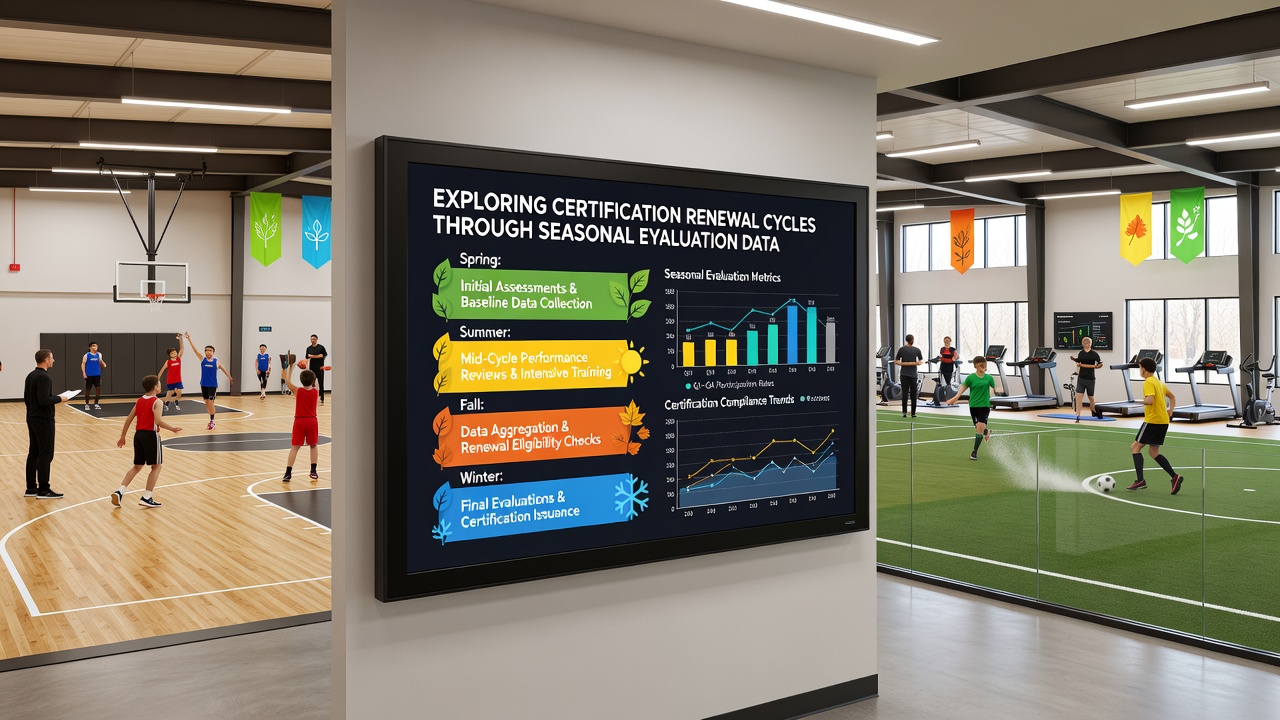
Regional Variations in Data Application
Centers located in northern regions report that winter evaluations drive earlier certification renewals for heating systems and ice-resurfacing equipment, while southern facilities use summer humidity readings to adjust timelines for ventilation and dehumidification units that protect indoor climbing structures and weight-training areas from corrosion.
Evidence from the Canadian Fitness and Lifestyle Research Institute indicates that linking seasonal datasets to renewal cycles produces measurable improvements in equipment longevity because maintenance teams receive advance notice of components likely to fail under specific weather conditions.
Staff Training and Data Interpretation
Training programs for facility personnel emphasize interpretation of seasonal evaluation data so that certification renewals occur at optimal intervals, and modules often include case examples where centers postponed or accelerated renewals after analyzing spring flooding impacts on electrical safety systems or fall wind damage to outdoor netting.
Those responsible for compliance coordination use these insights to schedule recertification visits during lower-usage periods, which minimizes disruption to community programs while ensuring all documentation reflects current performance levels documented through the evaluation process.
Conclusion
Seasonal evaluation data continues to shape certification renewal cycles across multi-sport community centers by supplying measurable indicators that replace static schedules with responsive timelines, and facilities applying these methods maintain alignment with evolving operational demands through consistent data collection and analysis.