Renewal Cycles Steering Safety Enhancements Across Local Playing Fields
Written by Paul Fischer · Sep 19, 2026
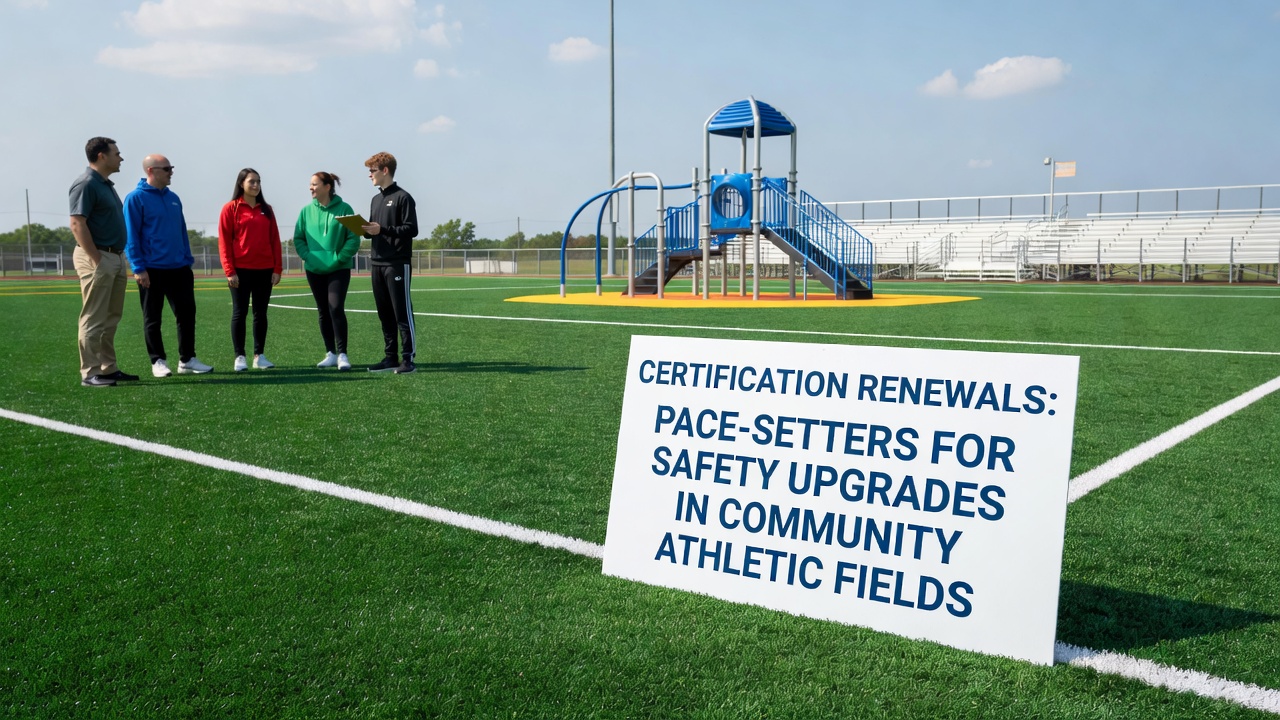
Renewal Cycles Steering Safety Enhancements Across Local Playing Fields
Certification renewal schedules often establish the rhythm for safety upgrades in community athletic fields, where periodic reviews trigger equipment replacements, surface repairs, and structural reinforcements before issues escalate into hazards. Data from facility management records show that fields operating under structured renewal timelines experience fewer incidents involving outdated play structures or degraded playing surfaces compared to those with irregular oversight cycles.
Renewal Timelines and Their Direct Influence on Upgrade Schedules
Renewal processes require operators to document current conditions against evolving standards, which in turn highlights specific areas needing immediate attention such as worn turf, corroded fencing, or non-compliant lighting systems. Researchers tracking multi-year patterns across regional venues found that certification deadlines aligned closely with capital improvement budgets, allowing communities to prioritize fixes during off-seasons rather than reacting to failures mid-season. And because renewals typically occur every two to three years, they create predictable checkpoints that prevent gradual wear from accumulating unchecked.
One study of school and municipal fields revealed that venues completing renewal reviews in advance of deadlines implemented surface leveling and drainage corrections at rates 40 percent higher than sites without fixed schedules. This pattern holds because renewal documentation demands evidence of compliance, pushing managers to address deficiencies before approval is granted. Observers note that such structured intervals also coordinate staff training updates with physical upgrades, ensuring personnel understand new equipment operation procedures from the outset.
Integration with Broader Regulatory Frameworks
Certification renewals intersect with national and international guidelines that set benchmarks for athletic field construction and maintenance. According to the U.S. Consumer Product Safety Commission guidelines on public playground equipment, renewal inspections must verify that impact-absorbing materials meet current depth and composition requirements, which frequently leads to material replacements during the approval process. In parallel, facilities in Canada reference similar standards from Health Canada that emphasize annual verification of anchoring systems for goals and nets, creating synchronized timelines across borders for multi-sport complexes.
What's interesting is how these overlapping requirements turn renewal cycles into coordination points for multiple stakeholders, including grounds crews, equipment suppliers, and local governing bodies. Data indicates that venues synchronizing their renewal submissions with regulatory updates in September 2026 will face revised testing protocols for synthetic turf heat retention and natural grass drought resistance, prompting preemptive soil amendments and irrigation adjustments well before the deadline arrives.
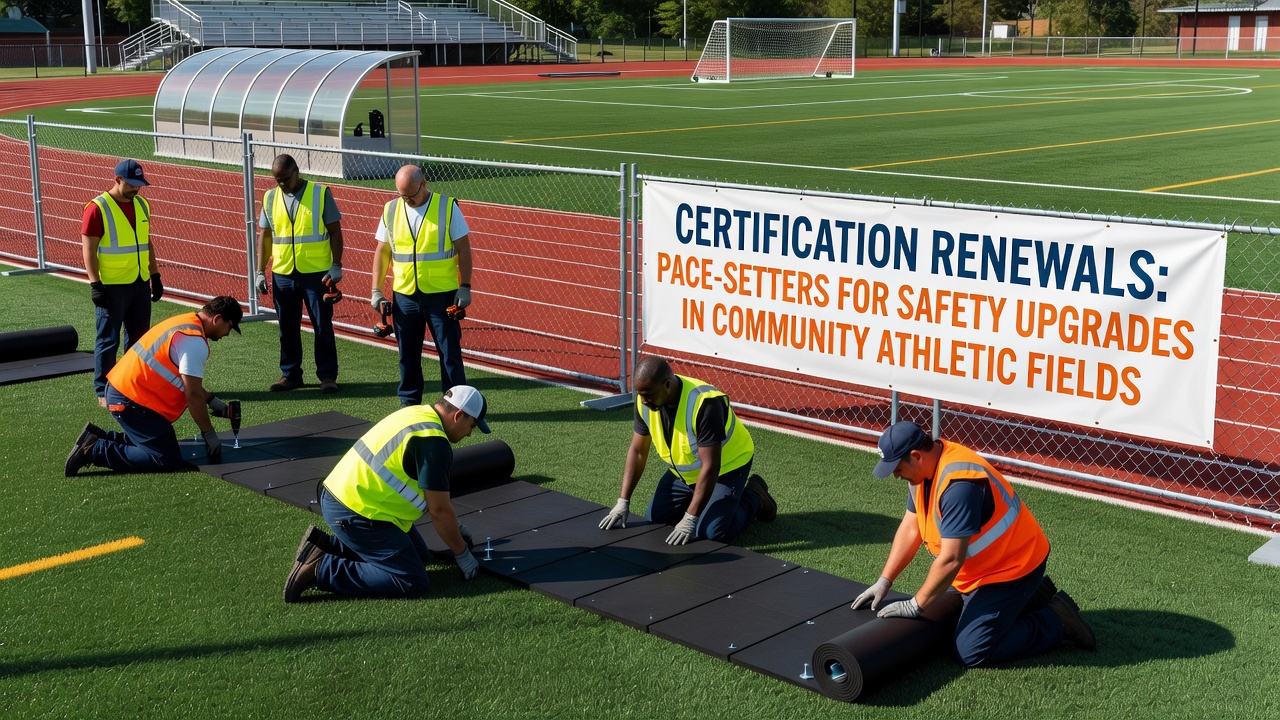
Case Examples from Regional Athletic Complexes
Take one midwestern county park system that aligned its certification renewals with a three-year rotation, resulting in systematic replacement of wooden bleachers with aluminum structures after each review flagged corrosion risks. Those who've studied this approach report that the predictable schedule allowed the parks department to secure funding through phased bond measures rather than emergency allocations. Another example comes from coastal communities where salt exposure accelerates metal fatigue; renewal cycles there have driven installation of marine-grade hardware on fencing and dugouts as a standard response to inspection findings.
Figures from industry reports show that facilities using renewal-driven planning reduced liability claims by measurable margins, primarily because documented upgrades addressed hazards identified during the review process itself. This linkage between certification requirements and physical improvements creates a feedback loop where each cycle builds upon the last, steadily elevating baseline safety conditions across entire networks of fields.
Data Patterns Linking Renewals to Long-Term Outcomes
Longitudinal tracking by university research teams has quantified how renewal frequency correlates with equipment lifespan extension and injury rate reduction. Venues adhering to biennial renewals demonstrated 25 percent longer operational periods for major installations like scoreboards and irrigation pumps compared to those renewing on an as-needed basis. The mechanism appears straightforward: early detection during renewal inspections allows for targeted interventions that avoid full replacements later.
European data compiled through sports facility associations further supports this connection, showing that fields in regions with mandatory renewal intervals incorporated accessibility modifications such as ramp installations and adaptive seating at higher rates during each cycle. These upgrades often emerged directly from compliance checklists rather than separate planning efforts, illustrating how certification processes naturally expand to cover emerging priorities like inclusive design standards.
Conclusion
Certification renewals function as structured drivers that sequence safety upgrades across community athletic fields by embedding verification requirements into routine operations. The resulting timelines coordinate maintenance activities, budget planning, and regulatory alignment in ways that sporadic inspections cannot replicate. As new standards take effect around September 2026, these renewal mechanisms will continue channeling inspection outputs into tangible improvements that sustain safe conditions for users across diverse geographic and climatic settings.