Echoes from the Field: How Safety Check Data Fuels Certification Renewals Across Multi-Sport Sites
Written by Freya Franke · Oct 17, 2026
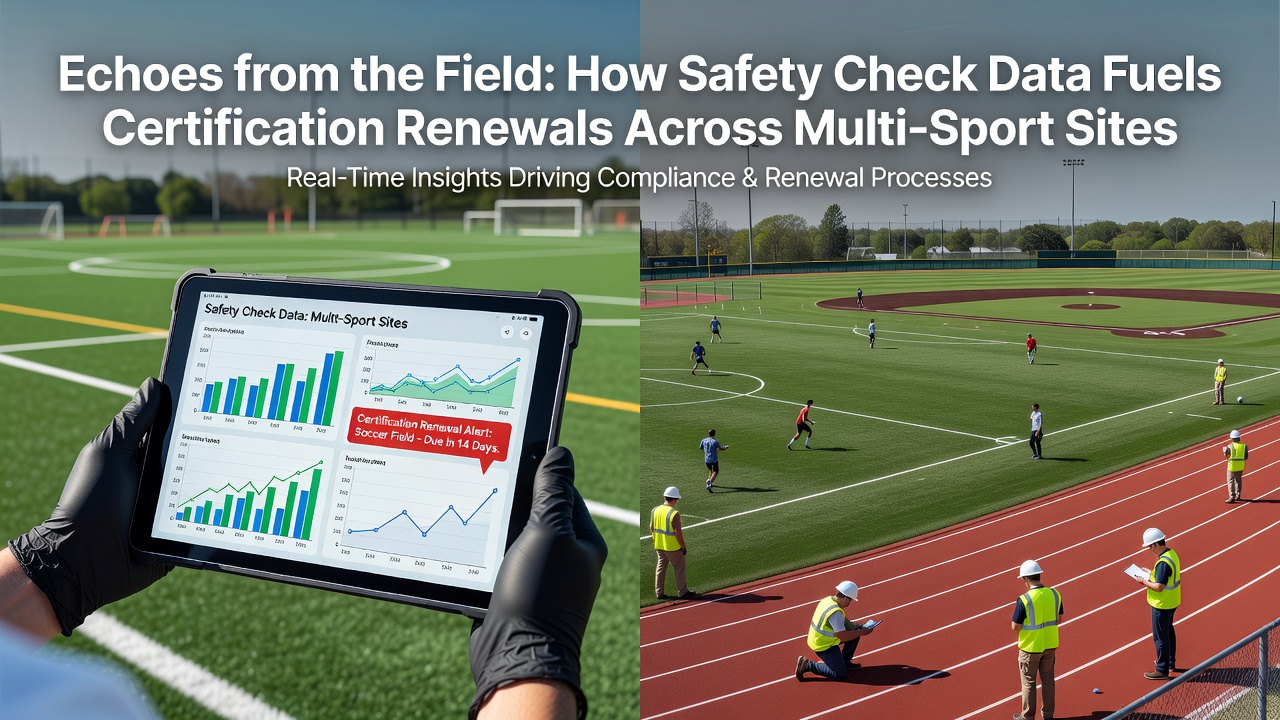
Echoes from the Field: How Safety Check Data Fuels Certification Renewals Across Multi-Sport Sites
Multi-sport sites collect safety check data through structured inspection routines that track equipment conditions, surface integrity, and structural elements, and this information directly supports certification renewal applications submitted to regulatory bodies. Facilities handling soccer fields alongside basketball courts and swimming pools generate detailed logs that demonstrate compliance trends over time, which helps administrators align renewal submissions with documented maintenance outcomes. Research from academic institutions shows that sites using centralized data platforms reduce gaps between inspection findings and certification deadlines by coordinating verification outputs with staff training records.
Data Collection Patterns in Multi-Sport Environments
Inspectors at these venues record measurements on playing surfaces, goalpost stability, and lighting systems during routine visits, and they upload findings into shared databases that track changes across seasons. One study from the University of Queensland revealed that facilities logging safety metrics quarterly maintained higher renewal success rates because operators could reference historical data when addressing auditor questions. Certification bodies often require evidence of corrective actions taken after each check, so operators link specific repair dates to corresponding inspection entries to create traceable timelines.
Patterns emerge when data covers diverse activity zones within a single complex, since a soccer pitch might need different soil compaction checks than an indoor volleyball court, yet both feed into the same renewal dossier. Observers note that sites managing these varied requirements benefit from standardized templates that allow comparison across locations, which streamlines the process when multiple certifications come due simultaneously. In October 2026, several regional athletic hubs reported using aggregated datasets to forecast renewal needs six months ahead, allowing budget allocations for upgrades before deadlines approached.
Linking Safety Metrics to Renewal Timelines
Certification renewals depend on verifiable records that show consistent adherence to safety protocols, and safety check data supplies the quantitative backbone for those records. Operators cross-reference equipment verification results with certification criteria from governing organizations, then generate summary reports that highlight compliance percentages over the review period. This connection becomes especially useful at multi-sport sites where one venue might hold certifications from separate athletic associations, each with its own data submission format.
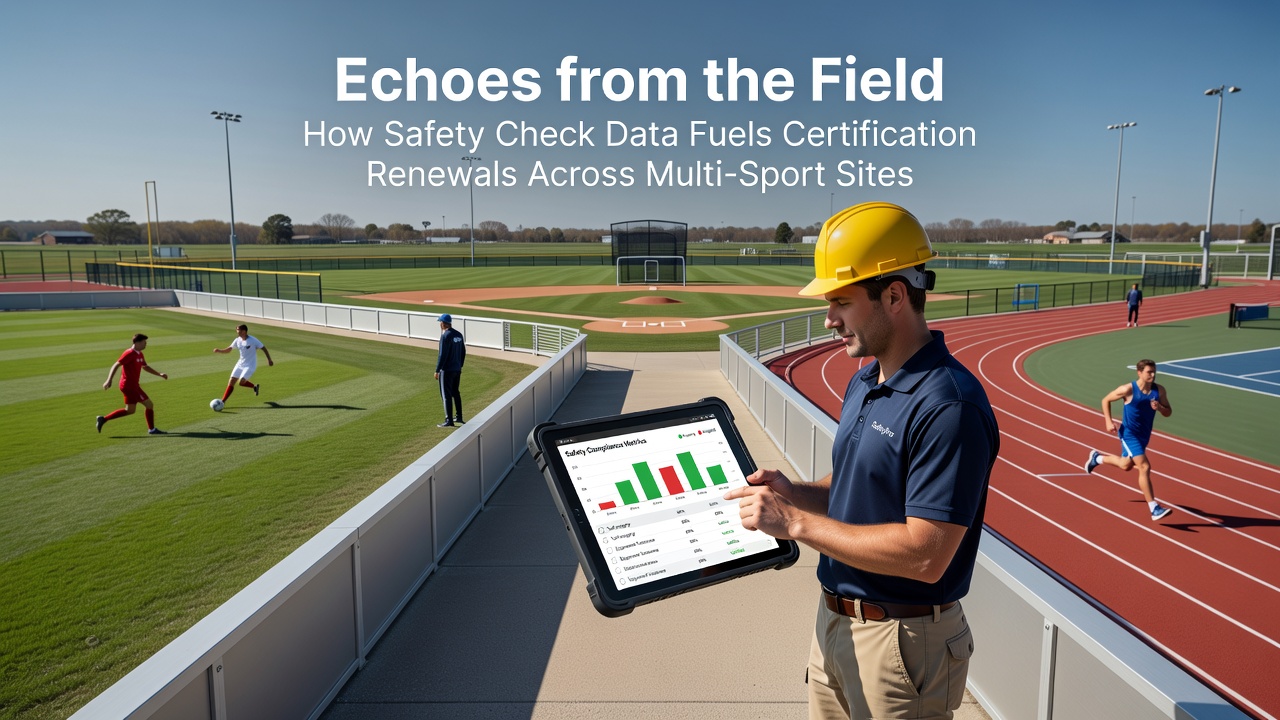
Those who manage large complexes often integrate inspection software with certification tracking tools, and the resulting dashboards display overdue items alongside upcoming renewal dates. Data indicates that such integration helps facilities avoid lapses because operators receive automated alerts when safety metrics fall below required thresholds. A report issued by the Canadian Centre for Ethics in Sport outlined how venues that synchronized their check intervals with certification cycles achieved steadier compliance outcomes across different sports disciplines.
Case Examples from Regional Sites
Take one multi-sport complex in the Pacific Northwest that combined field turf assessments with pool chemical logs, and the compiled dataset allowed operators to demonstrate progressive improvements during a renewal review. Staff members updated the shared system after each inspection round, which created a continuous record that auditors could query without requesting additional documentation. Another facility in Australia adopted similar practices after reviewing guidelines from the Australian Sports Commission, and their renewal applications began incorporating trend charts that illustrated safety metric stability over multiple years.
These examples illustrate how raw inspection outputs transform into supporting evidence for certification processes, particularly when sites handle simultaneous demands from different sports governing bodies. Operators at such locations frequently adjust maintenance schedules based on data patterns rather than fixed calendars, which keeps certification materials current without extra manual compilation.
Conclusion
Safety check data serves as the connective thread that ties daily inspection activities to periodic certification renewals at multi-sport sites, and facilities that maintain organized records continue to meet regulatory expectations across varied activity zones. Ongoing developments in data management tools suggest that future renewals will rely even more heavily on automated linkages between check results and compliance submissions.